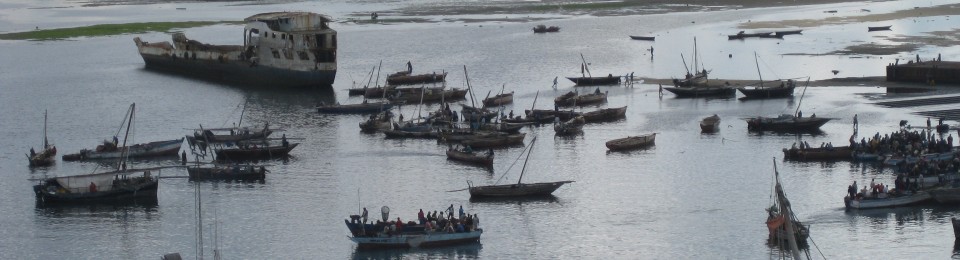
I wanted the header photograph to portray why I am so passionate about travel. This photograph of the morning scene in Zanzibar seemed the perfect choice. Here is what I wrote when we were there on our Regent Voyager cruise in November 2009.
Zanzibar 90F/32C, mix of sun and clouds, hot and humid
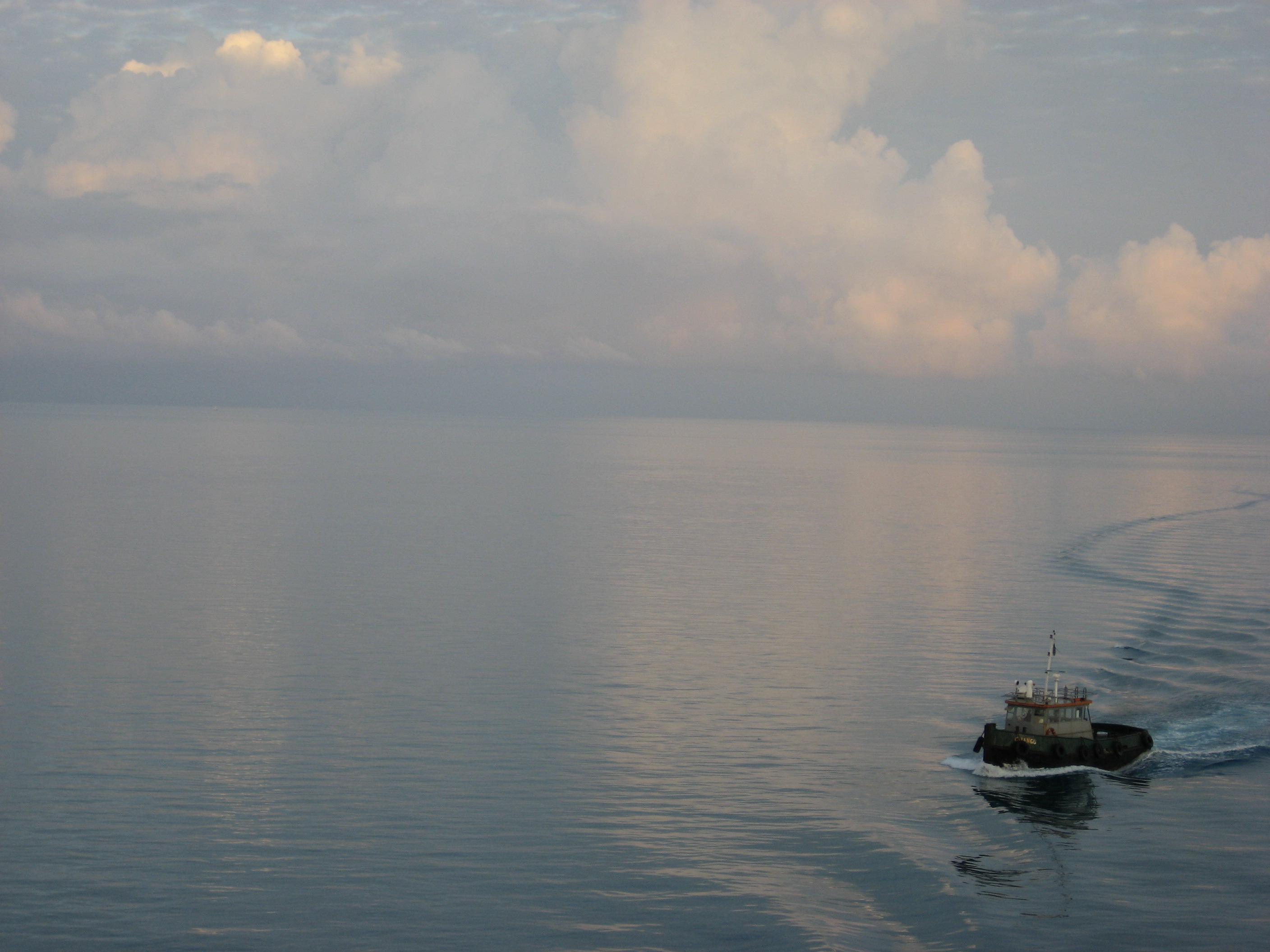
I woke to a change in movement of the ship and I thought I had missed us coming into port. I hadn’t. The sky was filled with purple and pink powder puff clouds. The ocean was as calm as a lake on a breeze free, early summer morning. I felt like I had somehow been transported to another world, one I had never heard about. There was the smell of salt water, fish and spice. Little islands dotted the landscape and I could see beautiful beaches in the distance. There were dhows, small boats, fishing boats, tug boats, yachts, ferries and freighters. The city was coming to life. I was mesmerized.
At the dock, we were once again met by music and dancers. The market was being set up. Passengers were shopping as soon as the ship cleared.
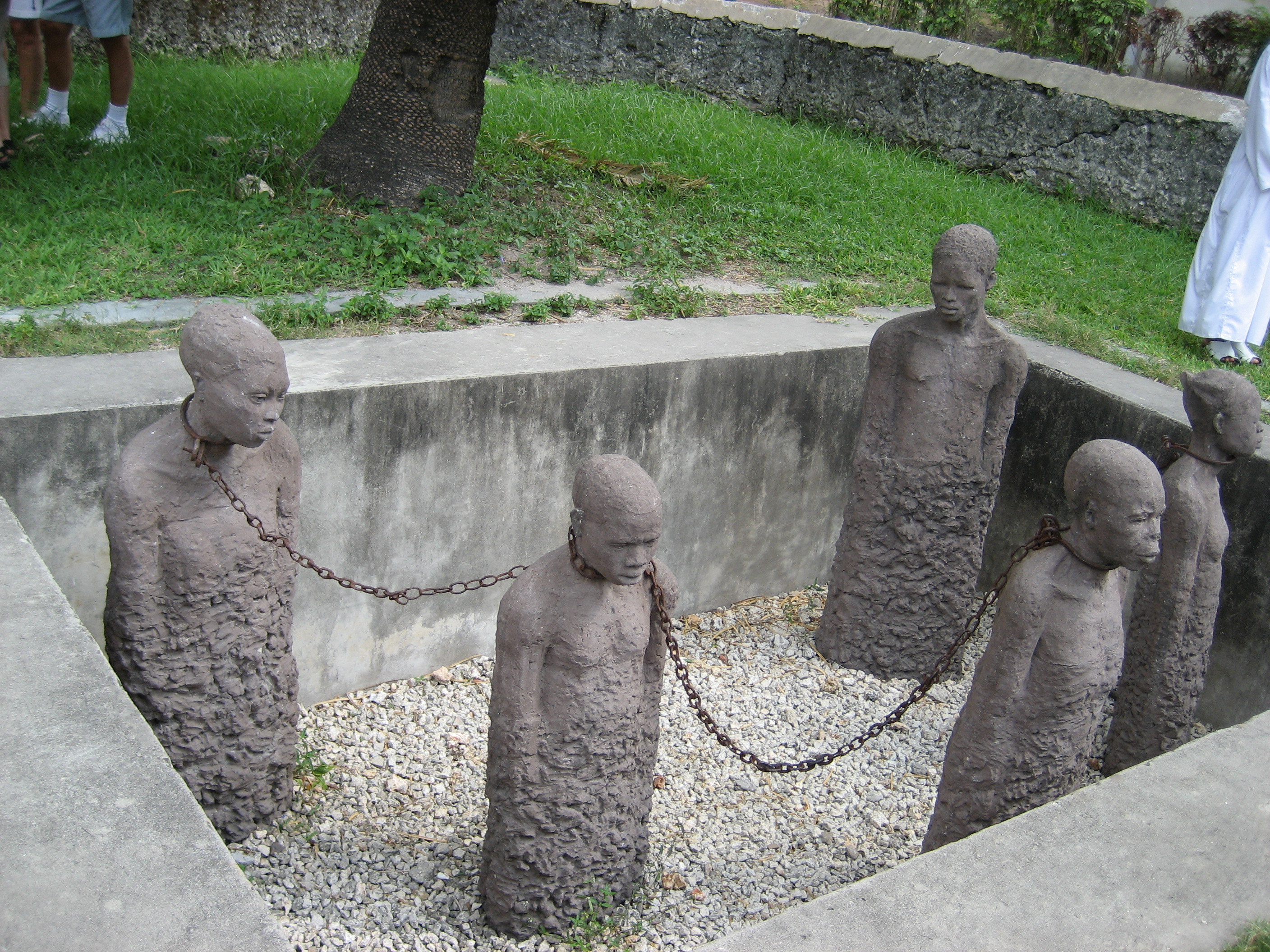
We went on the Sultan Heritage tour which was not exactly as described in the tour booklet but was excellent. The busses were small and ours could have held about twenty passengers. The guides, dressed in kanzus (a white garment that covers from neck to ground) and kofias (the small hats), were all standing outside the vans holding numbers on sticks so that we could find the correct busses. We had fourteen passengers, a driver, and our guide, Taib, who said to call him Mr. T (though he said a smaller version and with no bling). Taib was a fantastic guide and he managed to convey the history, traditions and culture of his island during our four hour tour. We began with a drive past the market. All of the women we saw on the street were dressed in either a buibui (worn over a dress) or khanga (the two piece outfit that covers from head to waist and then from waist to ankles). Some barely had their eyes showing, others revealed their whole face. The men were mainly dressed in pants and shirts and many wore kofias. We proceeded to the Anglican Church Cathedral (the former slave market site). The church continues to be used and the woodwork, artwork, and second oldest organ in Africa were in remarkable condition. History of the East Africa slave trade was brought to life as we were taken to the underground chambers where slaves were held. Taib stated bluntly what life was like for the slaves, how their worth was determined, and the conditions and treatment they were subjected to by the slave traders/owners. Outside in the courtyard, is a sculpture project by Clara Sornas in “Memory For The Slaves”. It was an intense, moving experience.
We got back on the bus and drove past, or stopped to look at from the bus, a variety of historical buildings. Taib gave a detailed overview of what we seeing as well as answered questions.
We then drove to the interior of the island to the village of Kizimbani. As we got off the bus, we were greeted by boys who wanted to “give us” palm leaf ties, palm leaves made into holders that were filled with small flowers, palm leave hats/etc. and have us “give them” money in exchange. The group of boys follow the same group throughout the tour of the village. First, we were taken to a nutmeg tree and were shown how to open a nutmeg as well as to tell if it was ready. Then, it was time to learn about cinnamon. We continued on our way learning about a variety of the trees and fruits growing. We stopped at the Muslim Koranic school (matrassa) and the children gave a recital. There were no desks, chairs, pens or paper. The boys sat on the floor on one side; the girls sat on the floor on the other side. Surprisingly, we were told we could take photographs. From there, we went and watched how to build a mud house and palm frond roof, traditional food preparation, and to learn about vanilla pods. Finally, we ended up at the village spice market where there are a whole variety of spices to purchase. They are more expensive than in town but we were told we would be supporting the village cooperative if we bought them at the village. We bought some though I don’t know if customs will allow them to be brought into the country.
Stopping at the shops was not part of this tour but some of the passengers asked if it would be possible. Taib had the bus stop at an air conditioned, set price shop that had a clean washroom. Those who wanted to shop could stay and walk back to the ship. Those who did not want to stay were taken back to the ship by the bus. The shop was Memories of Zanzibar. I’m not much of a shopper, but we took two bags filled with items back to the ship. Prices were excellent for quality goods. Many others shopped at the market at the dock where they could barter and were happy with their choice. The walk back to the ship was along a magnificent waterfront and personal safety was not an issue. We were approached a couple of times and asked if we wanted to buy CD’s or shirts, but were not harassed at all. We came across Mercury’s Zanzibar whose claim to fame was Freddy Mercury was born on Zanzibar. We drank local beer while sitting overlooking the ocean. The Voyager was in the background. The locals were friendly. The beer was ice cold and exactly what we needed in the high heat/humidity. Perfect! We slowly walked back to the dock and ran into Taib who treated us as if we were his long lost old friends. We wished we had longer to explore this fascinating port. Zanzibar, the land of magic, cast its spell on us.
 Where Our Travels Take Us